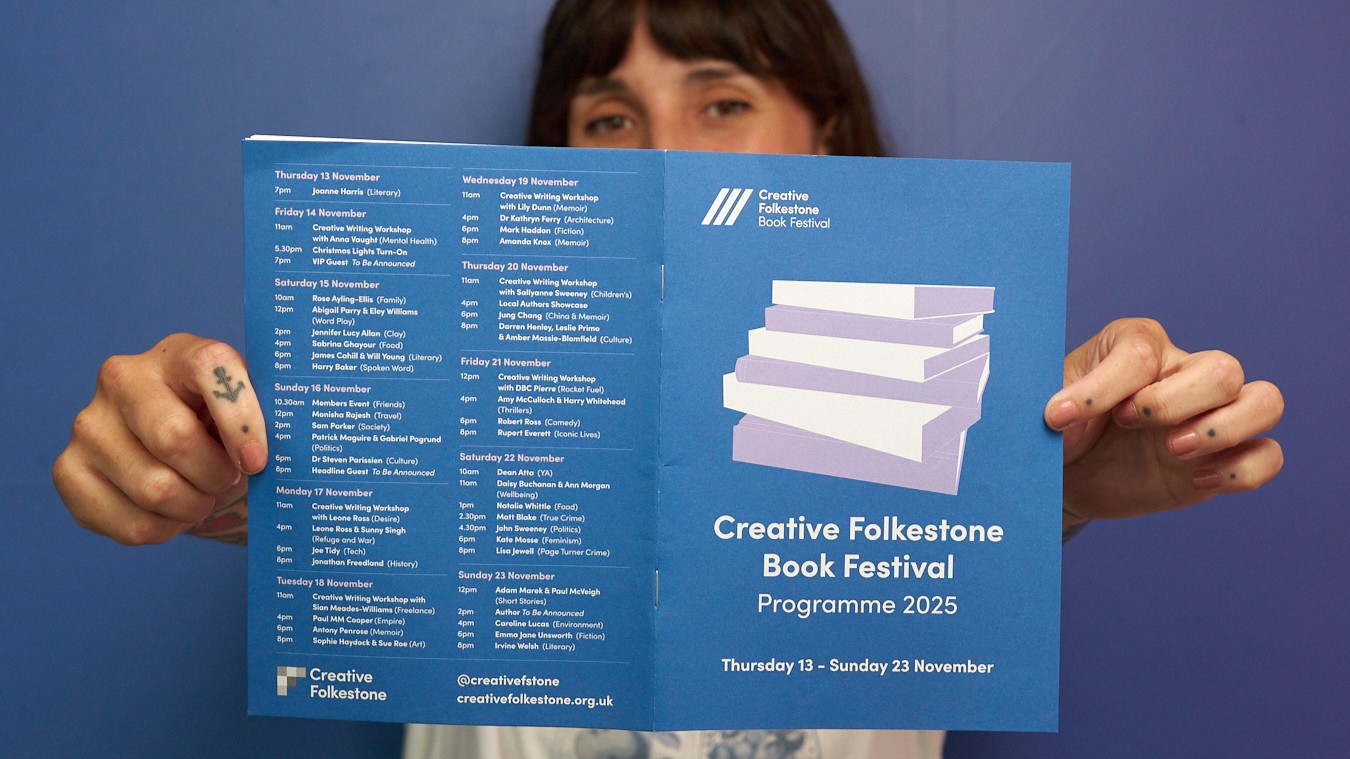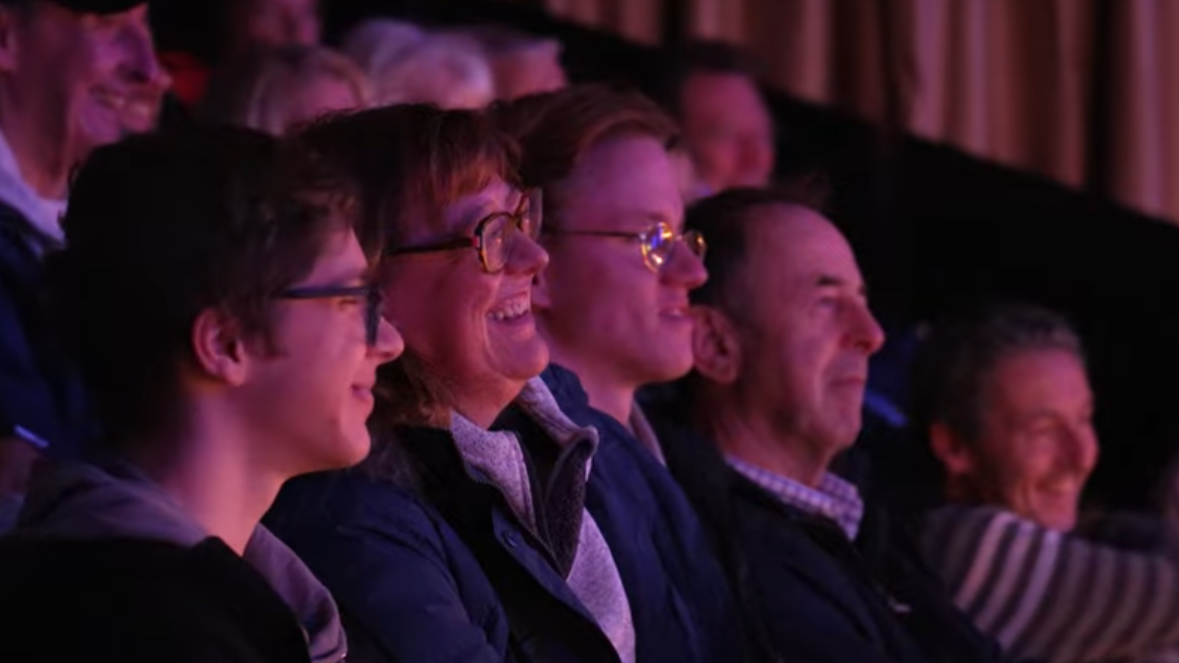
One of my highlights of the Folkestone Book Festival 2025 began with a confession.
Not the polite, pre-approved kind, but the risky, anonymous sort, scribbled onto slips of paper upstairs in the venue’s bar, folded, then passed into my hands with… hesitation.
On stage sat Booker-Prize winner DBC Pierre, being interviewed by the wonderfully provocative Lara Johnson-Wheeler, who was primed to read whatever the audience dared offer. In the room, nervousness and delight zinged through the crowd.
We’d invited the audience to confess on this wet Friday night. And boy, did they deliver.
With each revelation, there were surprised gasps. There was laughter that arrived a second too late. There were moments of real, strange poignancy – the kind that make you suddenly aware of everyone breathing at once. Lara read with widening eyes; Pierre responded with dry, exacting wit. Somewhere between mischief and mercy, the Folkestone Book Festival 2025 came into focus: brave, intimate… a little unhinged.
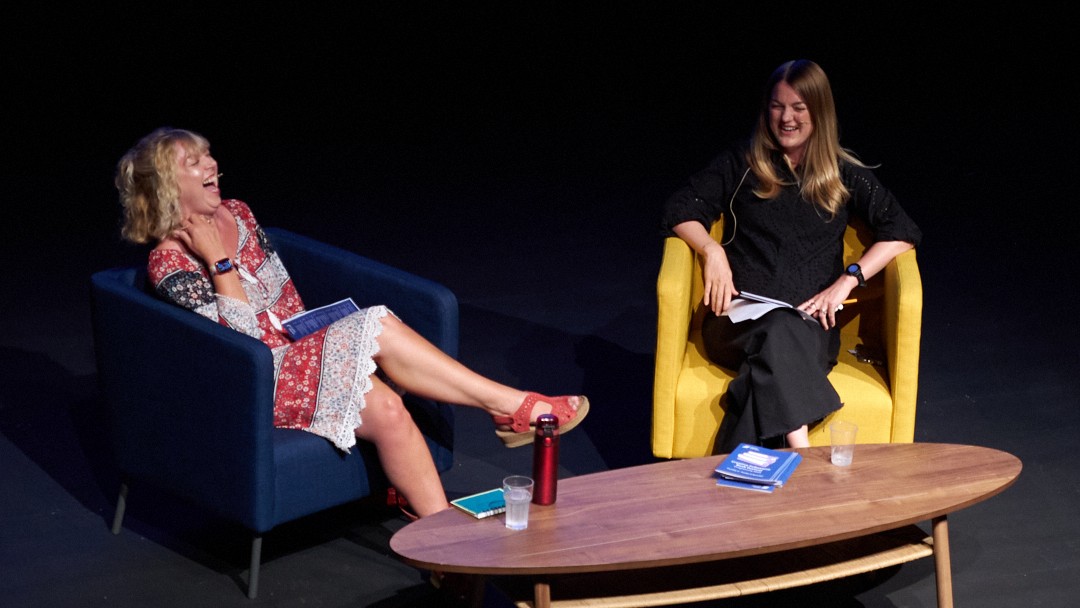
Last November, Folkestone once again became a town animated by stories. It was my second year as curator – and a year when being wrapped up by a generous and inspired community mattered more than I can articulate. The festival felt alive: with the energy of audiences who showed up curious and open; by authors willing to go off-piste.
Dr Steven Parissien, cultural historian and author of Another Round, might easily have delivered a conventional book festival talk on the history of drinking. Instead, interviewed by local influencer Rosie Percy, the discussion veered – deliberately – into the present. Percy produced a trio of fluorescent BuzzBallz, invited Parissien to try one on stage for the first time ever, and launched another into the audience. The result was not spectacle for its own sake, but a reminder that culture is not just studied, but lived.
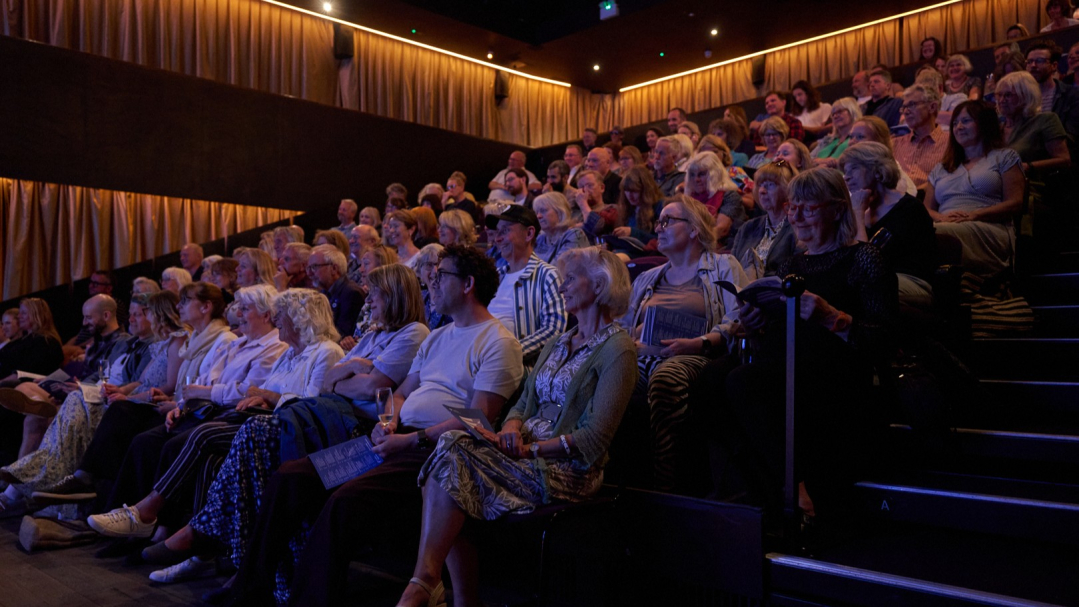
There were lots of moments that will stay with me for a long time. Locals who feel like friends brought their own magic in the chairing roles: Jo Burke dancing onto the stage with a be-sequinned Kathy Lette, joy-first, inhibition last. Victoria Gartner encouraging Lisa Jewell to take a starlight selfie, people in the audience holding up the torches on their phones to create the necessary constellations. Anthony Leyton landing his crisp puns with surgical timing while interviewing Natalie Whittle. Veteran fossil hunter Steve Friedrich bouncing dinosaur facts around with Dr Dean Lomax.
There were quieter triumphs, too. The Local Authors Showcase – fast, generous, electric – reminded me just how much talent lives here, from authors writing children’s books, to poetry collections, to memoirs and mysteries. The Primary School Series opened the festival with children who asked deeper and more urgent questions than (most) adults. I loved seeing pupils for Sheena Dempsey’s workshops bouncing in their seats, loving her illustrations, before drawing their own Pablo and Splash characters. Later, workshops led by world-class authors had attendees scribbling, risk-taking, confidence taking root.
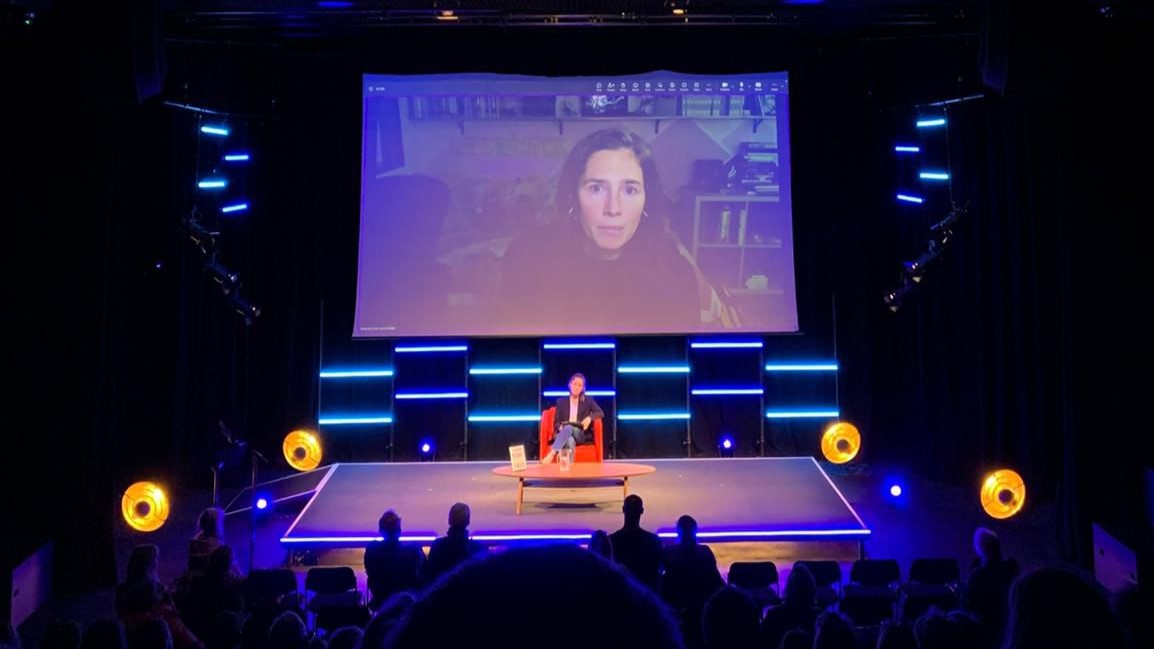
And then there were the headliners – opening with Joanne Harris and Amanda Knox on the same day; Irvine Welsh closing the festival with provocation and warmth in equal measure. My teenage crush, Will Young, in conversation with James Cahill had the room gripped. Behind-the-scenes logistical challenges could have thrown Harry Baker off, but he handled it all with verve, and the audience buzzed off his spoken-word performance.
Conversations happened between writers who spoke not just about books, but anger, justice, belonging, inheritance, survival. Books as objects we can learn from, yes, but also as tools to take us to other places, to other thoughts, into the shoes of other lives.
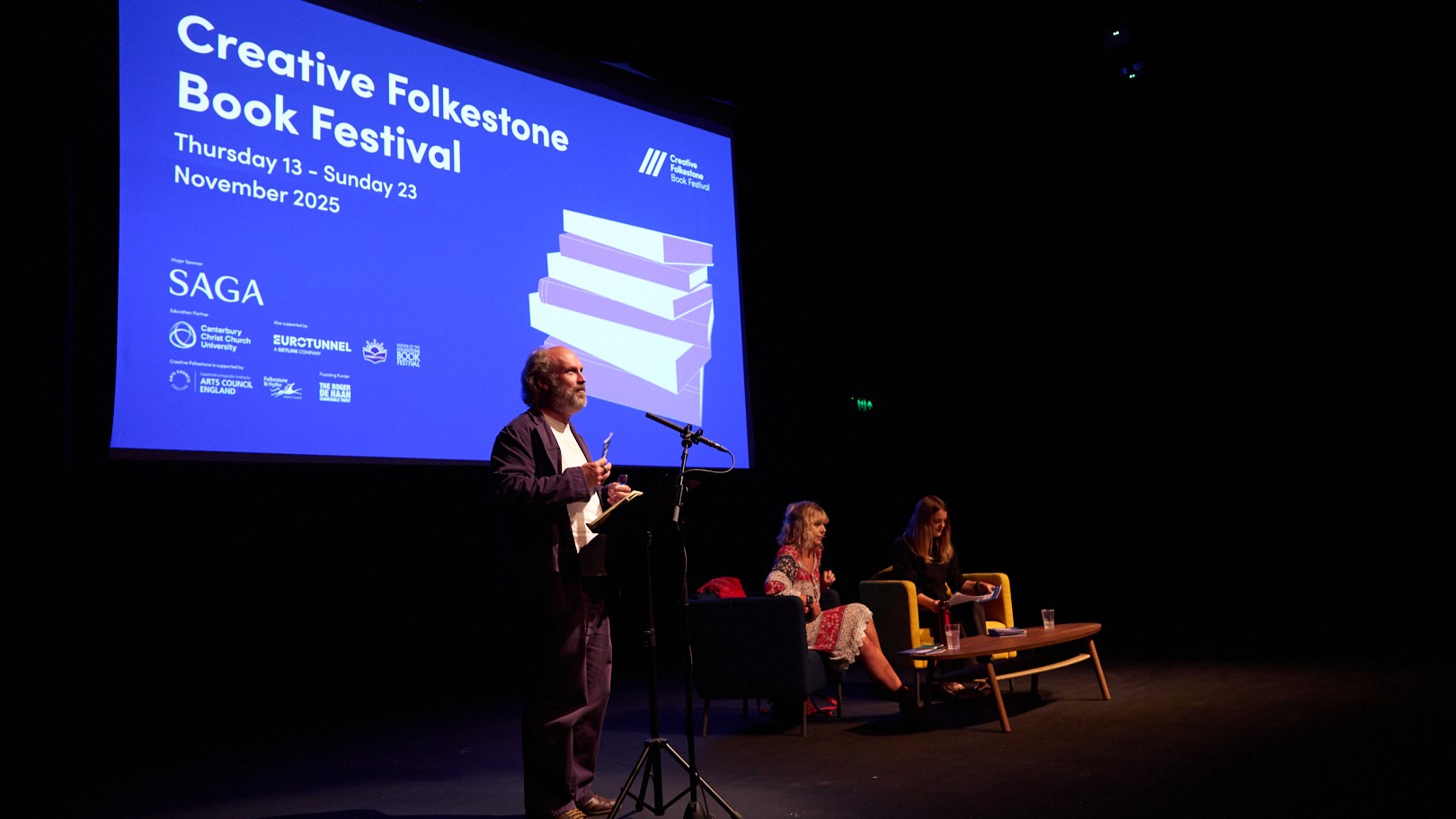
What struck me most, this year, was the mood: confessional, curious, connective. The quality of attention in the rooms. Audiences stayed behind to talk. Authors lingered. People told me things, about books that changed them, about losses they’d endured, about starting again, about why they came. Some had travelled significant distances for a single event and it felt like such a privilege to bring those people together with authors whose words touched them. That act of showing up, of making time, felt significant.
As a curator, you spend much of the year working with logistics, contracts, schedules, the horrors of last-minute cancellations. During the festival, what becomes visible is the human exchange those structures are designed to support. I felt a renewed sense of responsibility – to the town that is home to so much creativity, to the writers who trust us with their work and their presence, and to the audiences who meet them with intrigue and warmth. Folkestone Book Festival 2025 did not only unfold on stages. It took shape in the spaces around them – in foyers, queues, book-signing tables, and the unplanned conversations that followed events. Those spaces between are where a festival becomes more than a programme. And that’s the story worth telling.
Whether you joined us in 2025 or are discovering the festival for the first time, you are warmly invited to be part of what comes next. Join us this July for the launch of the Folkestone Book Festival 2026 programme and be among the first to hear about this year’s Festival, running Thursday 12 to Sunday 22 November.